 TR
 EN
 RU
 FR
 ES
 AR
 SR
When Should a Primary Impact Crusher Be Preferred? Usage Guide

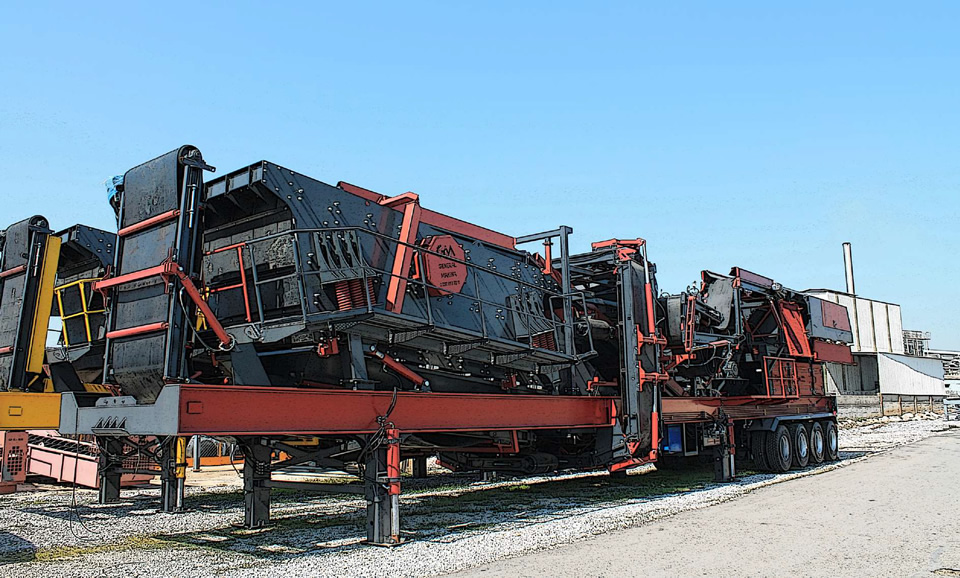
In non-siliceous (SiO2-free) limestone plants and in processing medium-hard, non-abrasive rocks, Primary Impact Crushers should be preferred. Providing controlled crushing in the primary crushing stage with high reduction ratios, these machines can reduce large rocks weighing up to 3000 kg and up to 1300 mm in size down to 100 mm in a single pass.
Key operating principles and technical advantages of the crusher include:
- Multi-Stage Crushing Mechanism: The rock entering the crusher is crushed progressively; first by the impact of high-speed rotor blow bars, then by stone-on-stone impact, and finally by hitting the impact aprons on the upper and lower curtains.
- Flexible and Non-Clogging Design: Manufactured as stationary or mobile on a semi-trailer, this system minimizes the stone clogging rate seen in equivalent machines thanks to its special inlet opening design.
- Controlled Product Gradation: The size distribution of the final material obtained can be precisely adjusted based on the size of the fed rock, rotor speed, gap setting, and friability characteristics of the material.
To get information about our primary impact crusher solutions offering high reduction ratios and low operating costs for your medium-hard limestone quarries, as well as plant configurations and current quotes, contact the expert team at General Makina today.