 TR
TR EN
EN RU
RU FR
FR ES
ES AR
AR SR
SR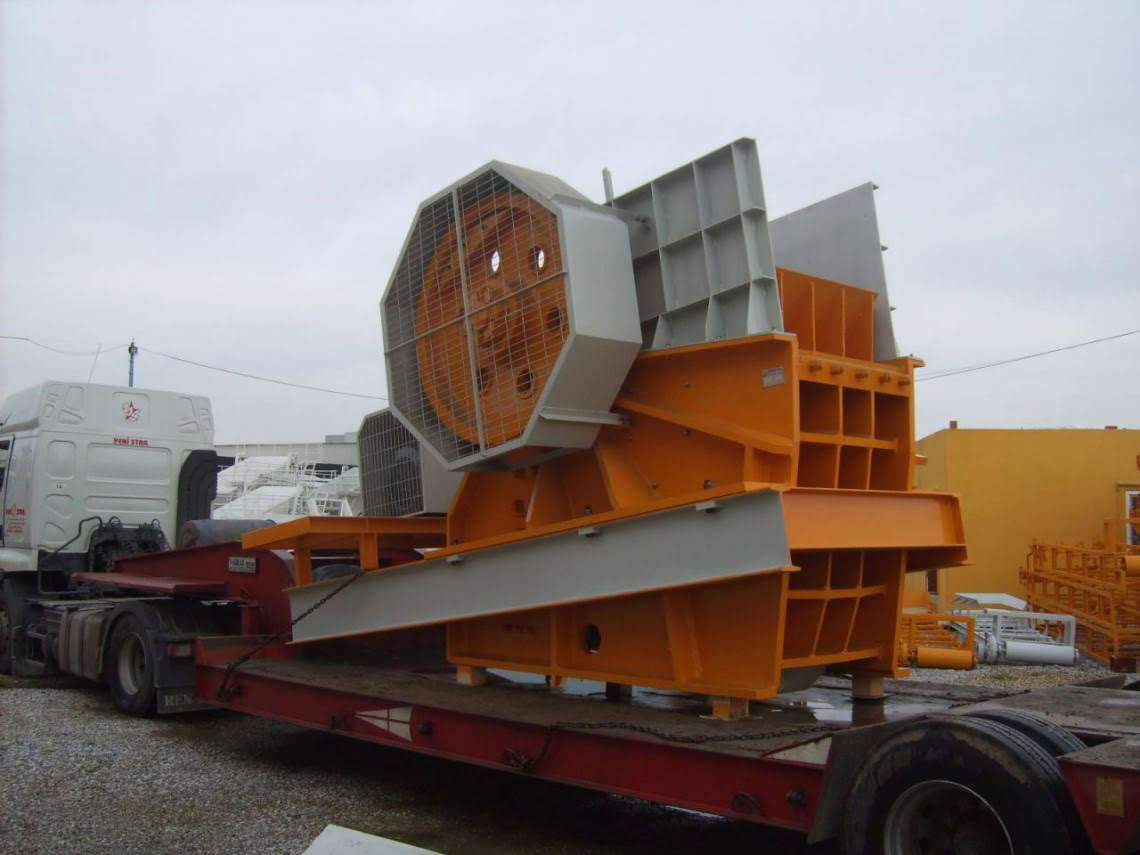
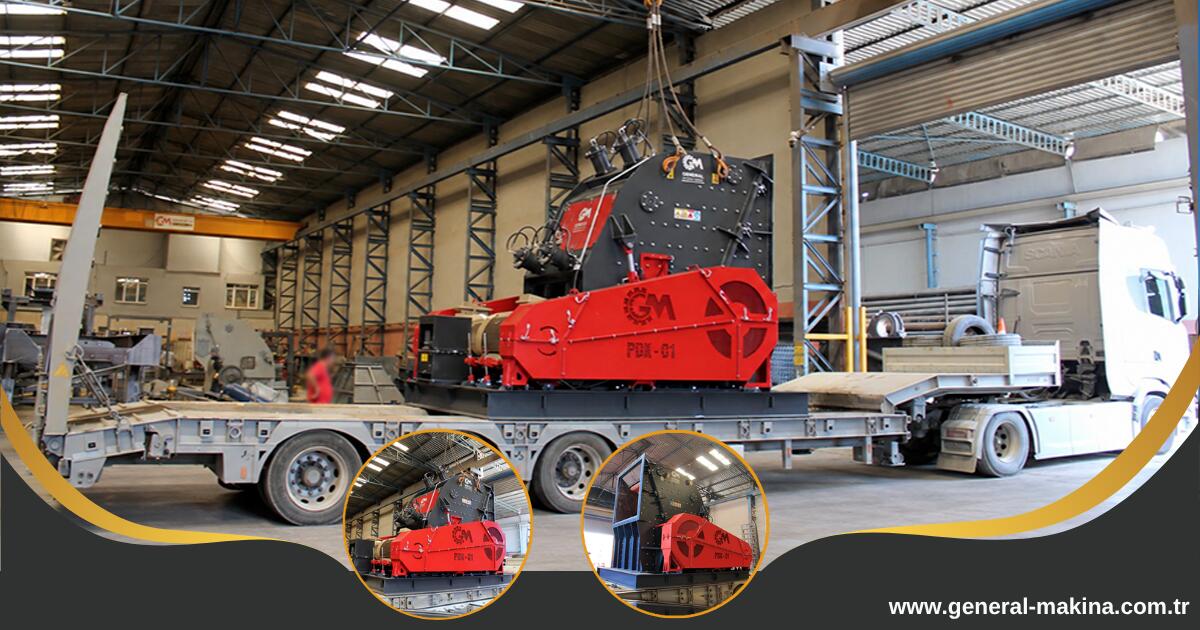
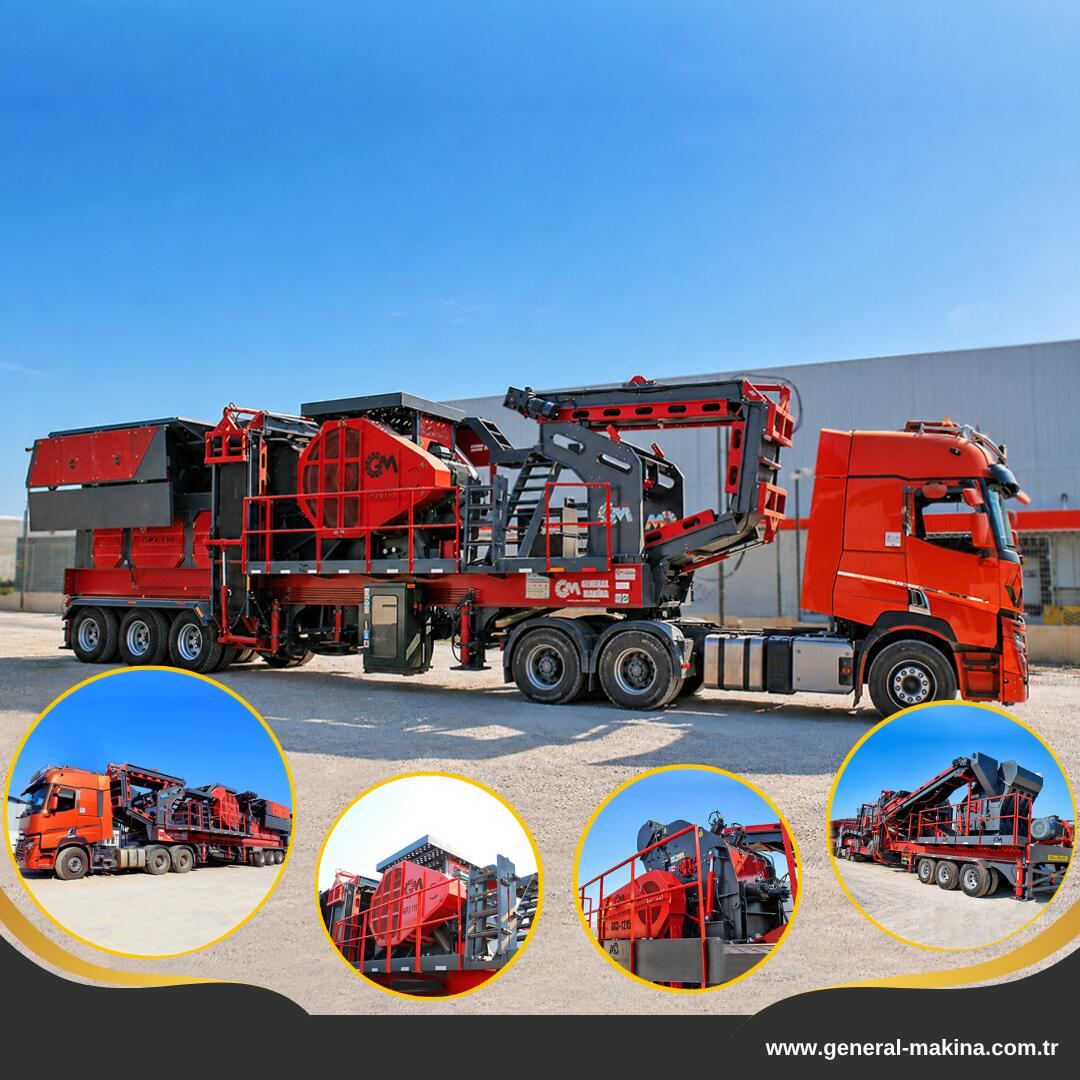
Jaw crushers are specially designed for high-tonnage crushing operations required in mining, aggregate, and recycling plants. Used to process all types of minerals and ores imaginable, these machines are manufactured in a wide range, from laboratory-type jaw crusher manufacturing sized 150x100 mm to industrial models with a feed opening of 1300x1100 mm for large-scale operations. Motor power, weight capacity, crushing ratio, and technical characteristics vary depending on the model.
They offer maximum efficiency across all rock types, from limestone, known as one of the softest materials, to basalt and granite, which have the highest hardness levels. Thanks to hydraulic assistant adjustment mechanisms, it is quite easy to achieve the desired jaw gap and product curve according to the material type and site conditions. This system speeds up adjustment processes while raising operational safety to the highest level. High-manganese steel liners used in the production of mobile and stationary models minimize wear, ensuring long service life and uninterrupted performance.
Factors Affecting Jaw Crusher Prices
When evaluating jaw crusher prices for a plant, whether the crusher is Primary or Secondary, the technical configuration of the plant, and your required crushing capacity play a decisive role. The main elements directly affecting pricing include:
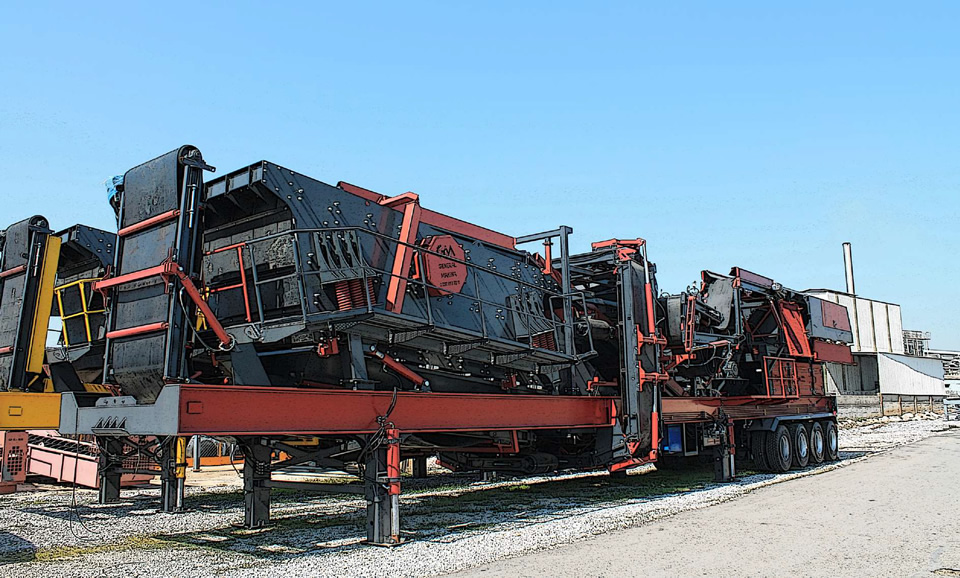
- Crusher Type and Size: Whether the plant is mobile or stationary, the jaw feed opening, and frame dimensions.
- Crushing Stage: Whether the crusher is a Primary or Secondary type.
- Mechanical Components: Flywheel speed, jaw nip angle, rear block material quality, and pitman toggle plates.
- Safety and Drive Systems: Eccentric shafts with special clamping systems, forged steel shafts, and heavy-duty roller bearings.
Which Materials Are Jaw Crushers Used For?
Delivering high crushing performance under harsh field conditions and on highly abrasive rocks, these machines are preferred for a wide variety of materials:
- Limestone, Marble, and Dolomite
- Granite, Basalt, Diabase, and Diorite
- Quartzite, Gabbro, Andesite, and Gneiss
- Sandstone, Porphyry, Amphibolite, and River Stone
High Quality and Low Cost Per Ton
Jaw crusher manufacturing requires high-level engineering and precise production processes. Assembly works must be carried out meticulously to prevent potential accidents and downtime. The internal structures of forged steel jaw shafts are subjected to ultrasonic testing to completely eliminate invisible flaws. It should not be forgotten that part replacements resulting from wear under heavy working conditions directly impact production costs per ton.
To get detailed information about current jaw crusher prices suitable for your business needs, determine technical specifications tailored to your project, and receive an advantageous price quote, you can contact General Machinery immediately.