 TR
TR EN
EN RU
RU FR
FR ES
ES AR
AR SR
SR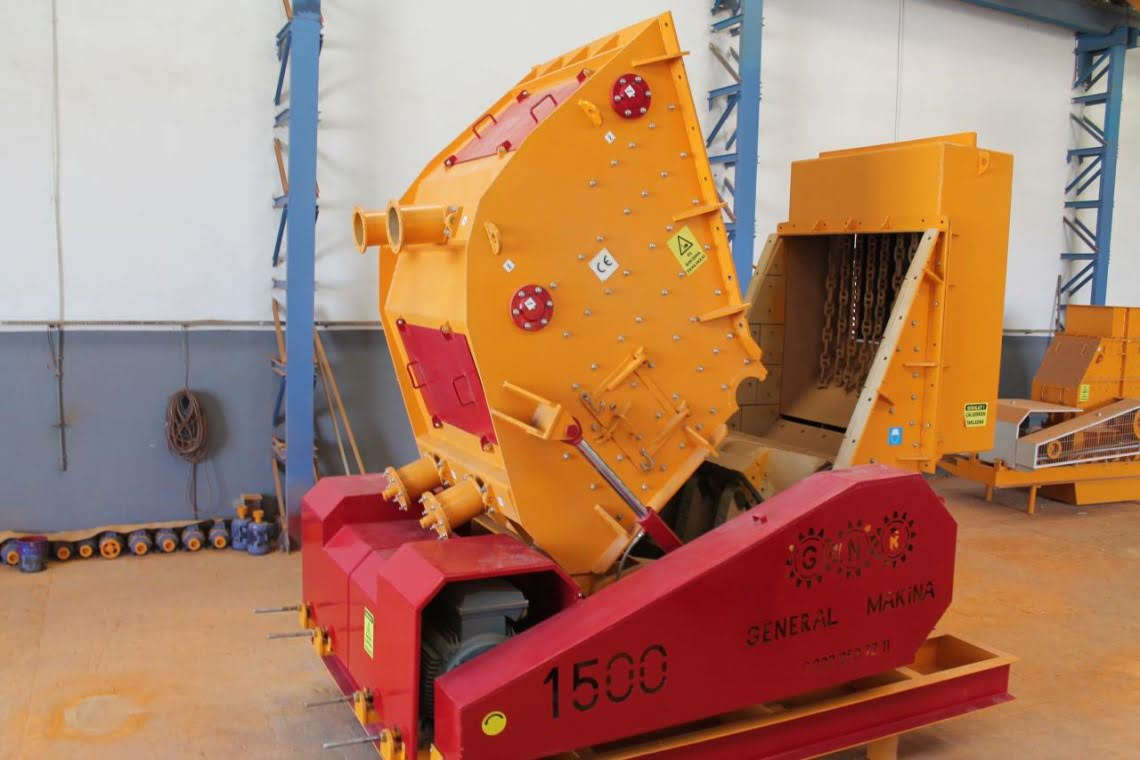
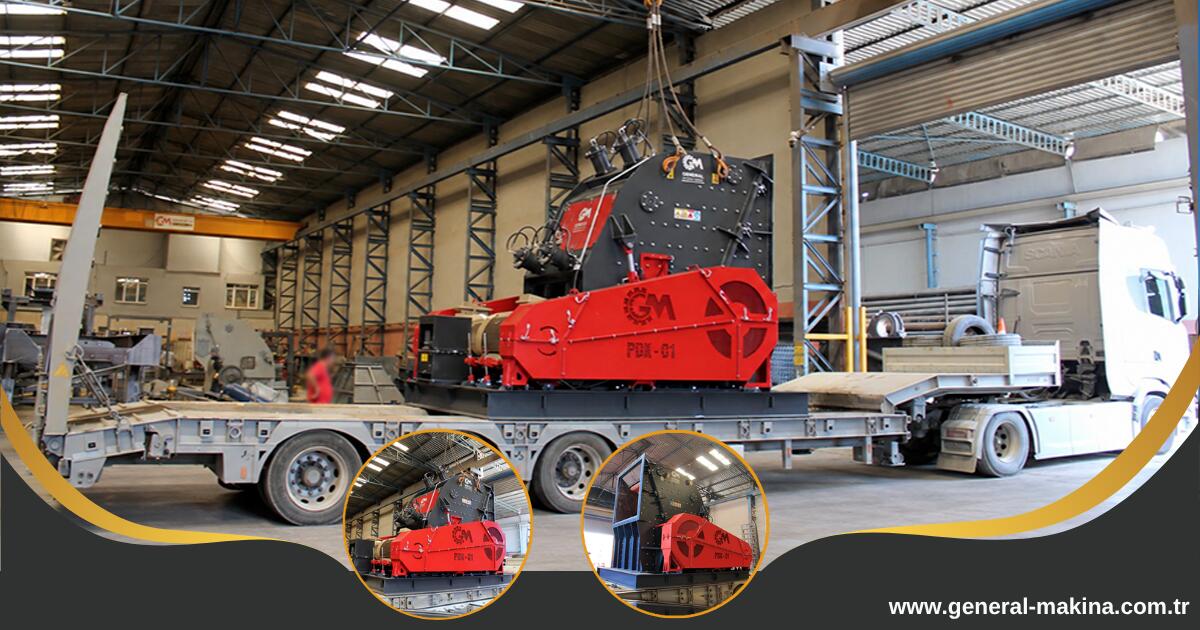
Impact crushers are powerful crushing machines used in mining, quarrying, and recycling plants to crush medium and high-hardness materials with high-speed impact force to obtain highly cubic products. They are manufactured in two different stages according to process requirements: Primary and Secondary.
Primary impact crushers have the capability to directly process large-sized rocks coming from your quarry. Their biggest advantage compared to jaw crushers is that they produce a higher proportion of fine and cubic material during crushing, often eliminating the need for an additional secondary crushing stage. This provides significant savings in initial investment and operating costs.
Impact Crusher Manufacturing and Technical Features
Impact crusher manufacturing is carried out with body and rotor constructions specially stress-relieved from welding to withstand the heaviest field conditions and high impact forces. Their technical advantages that directly lower your operating costs include:
- Reversible and Replaceable Hammer Design: Whether in Primary or Secondary models, hammers can be used both straight and reversed. The hammer structure, which can be easily changed or flipped from the top or side, minimizes wear costs.
- Hydraulic Opening Body and Control: Thanks to the upper body covers that open hydraulically to both sides, hammer replacement, maintenance, and lubrication operations are carried out extremely practically. Adjustable impact aprons can be optimized via remote control.
- Wear-Resistant Liner and Plate Structure: The interior liners and impact plates hit by the crushed material feature an interchangeable symmetrical design. Thanks to high-manganese and chromium-alloy castings, they offer maximum hammer and liner lifespan.
- Advanced Safety and Keyed Wedging System: The keyed wedging system used to fix the hammers to the rotor eliminates the risk of hammer breakage or dislodgement even in extremely hard materials, ensuring maximum operational safety.
Factors Affecting Impact Crusher Prices
When evaluating impact crusher prices for a plant, the capacity of the crusher, rotor type, and the quality of castings used play a decisive role. The main factors directly influencing pricing are:
- Crushing Stage and Rotor Type: Whether the crusher is Primary or Secondary, alongside the corresponding rotor geometry and motor power.
- Casting and Material Quality: The quality of high-chromium or high-manganese alloys used on wear surfaces and the body steel quality.
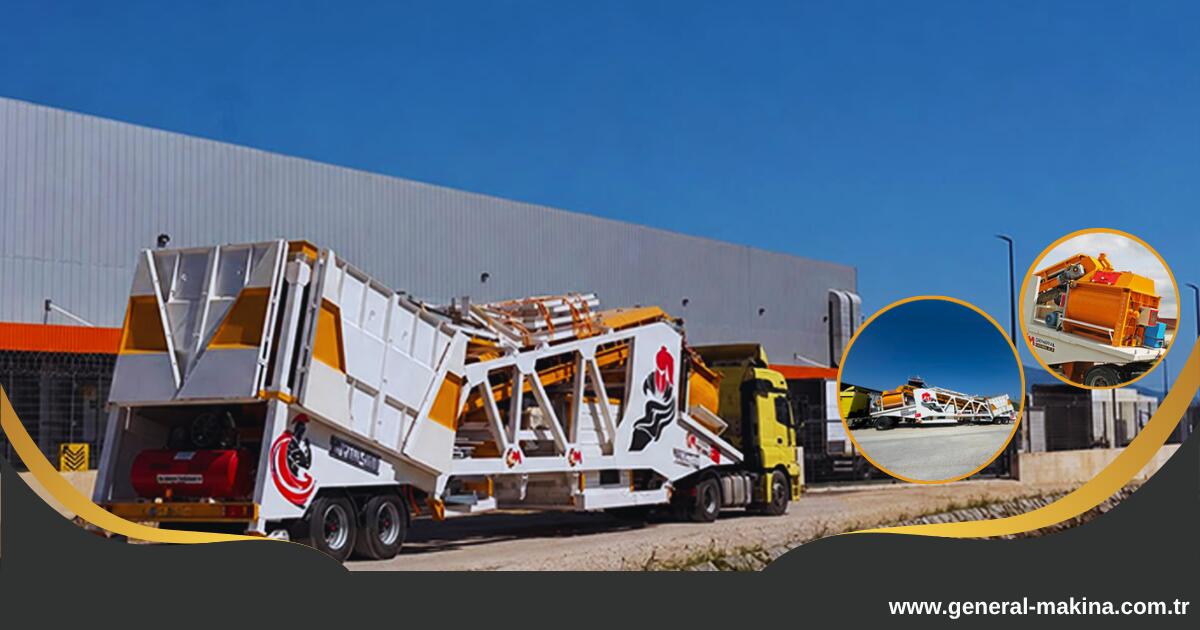
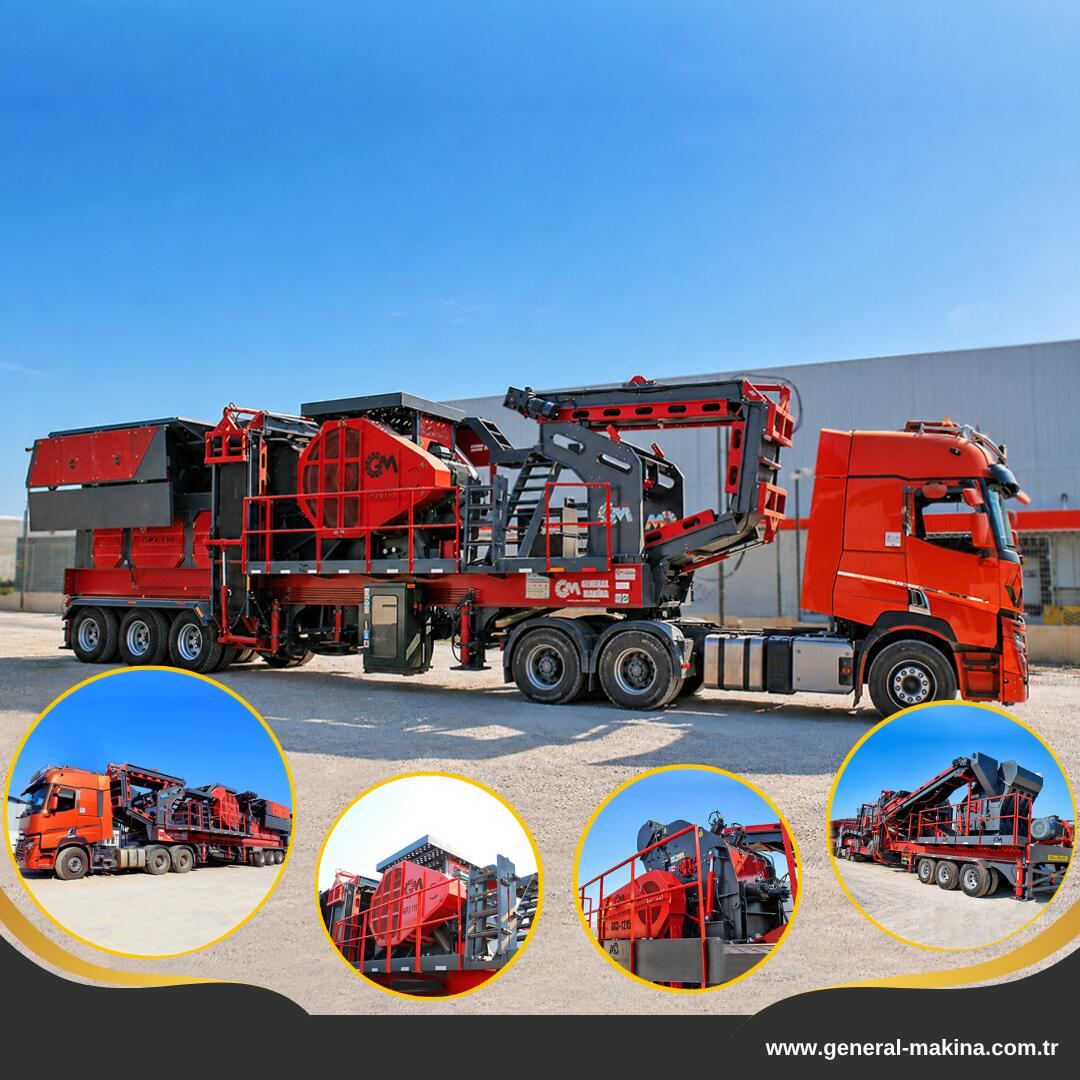
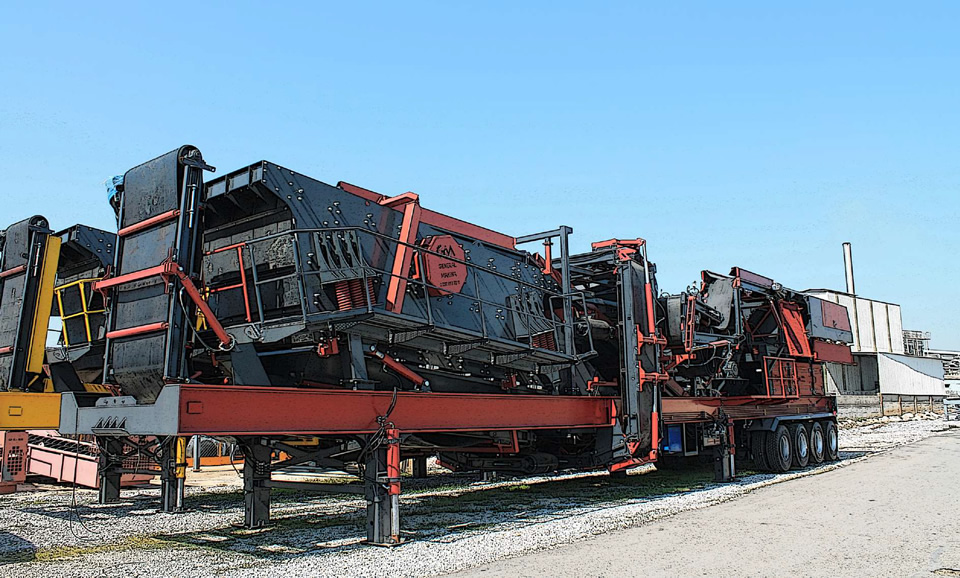
- Chassis and Mobility: Positioning the crusher on a stationary steel structure or a mobile (tracked/wheeled) chassis.
- Spare Parts and Service Support: Uninterrupted spare parts supply from stock, transportation, installation, and post-sales technical service opportunities.
Maximum Efficiency and Low Operating Cost
Having a high-performance impact crusher that will operate smoothly for many years under heavy field conditions increases your cubic material quality while reducing your crushing cost per ton.
To obtain detailed information about current impact crusher prices suitable for your business needs, determine the specific Primary or Secondary configuration for your project, and take advantage of favorable price quotes, you can contact General Machinery immediately.